A new report from the CSA Group argues that Canada’s biggest strategic risk isn’t a lack of data, but rather the inability to turn that data into timely, actionable intelligence.
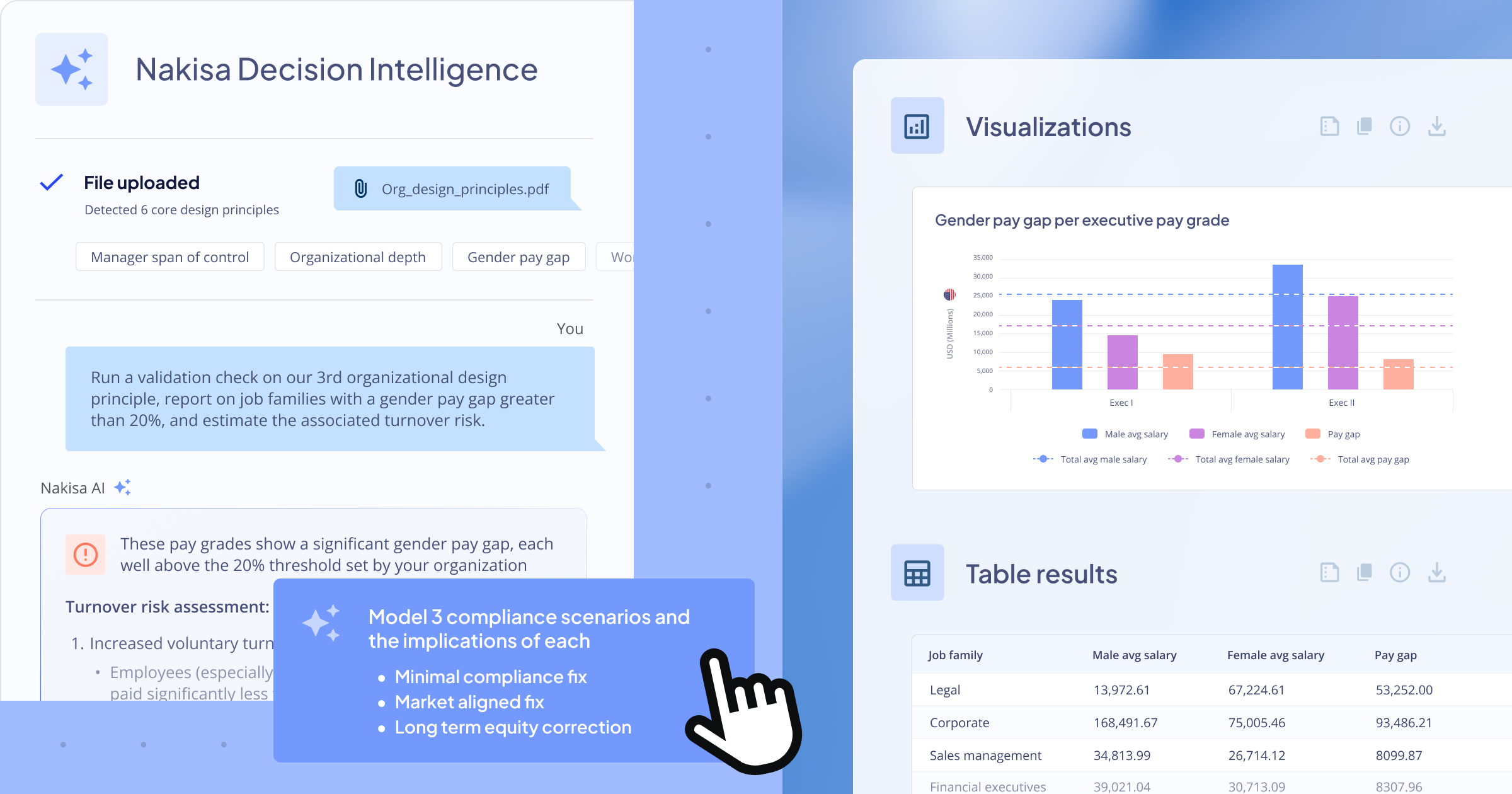
Discover how large enterprises can save on time and costs using Nakisa Decision Intelligence’s instant validations of workforce data against org design principles and guardrails.
As with all other living organisms, enterprise organizations are in a constant state of remaking themselves while also simultaneously growing, changing and adapting to their environments.
A quick recap for those not already familiar with the new lease accounting standards: organizations worldwide are required to bring most leases on-balance sheet as obligations and liabilities by January of 2019.
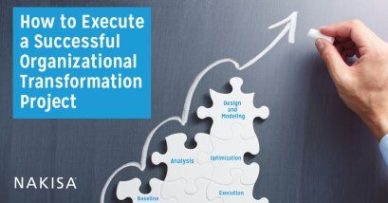
Organizational Transformation projects arise for a variety of different reasons, including the need to support rapid growth, merger & acquisition (M&A) integration, efficiency-focused reorganization, and/or geographic expansion.
“Build vs Buy” is a fundamental question that companies and IT departments face all the time. It’s also a question that has no easy and universally answer.
The new lease accounting standards, IFRS 16 and ASC 842, are the result of a joint effort between the IASB and FASB to meet the objective of improved transparency, comparability and financial reporting requirements.
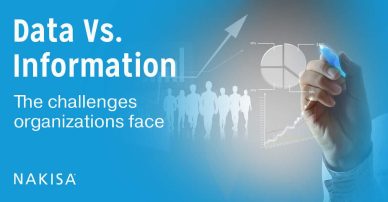
When discussing organizational or talent data, the terms ‘data’ and ‘information’ are used interchangeably, however it’s critical to understand the distinction between them. In simple terms ‘data’ is the input, whereas ‘information’ is the output.
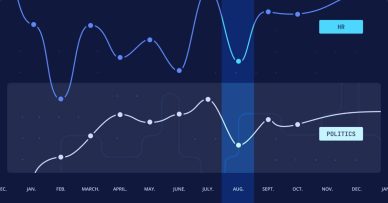
This blog explores the significant impact of shifting political landscapes on HR functions and the necessity for HR to proactively monitor political shifts, adapt policies, and develop flexible workforce strategies to navigate these challenges.
One of the most talked about things these days is cloud computing, but what exactly is it? The simplest explanation is that cloud computing involves the use of remote servers hosted on the Internet to store data, process data and manage software services.
This blog explores the challenges behind the high failure rates of mergers and acquisitions. It identifies three crucial factors essential for successful integration and underscores the significance of prioritizing organizational restructuring and human capital management to achieve M&A success.